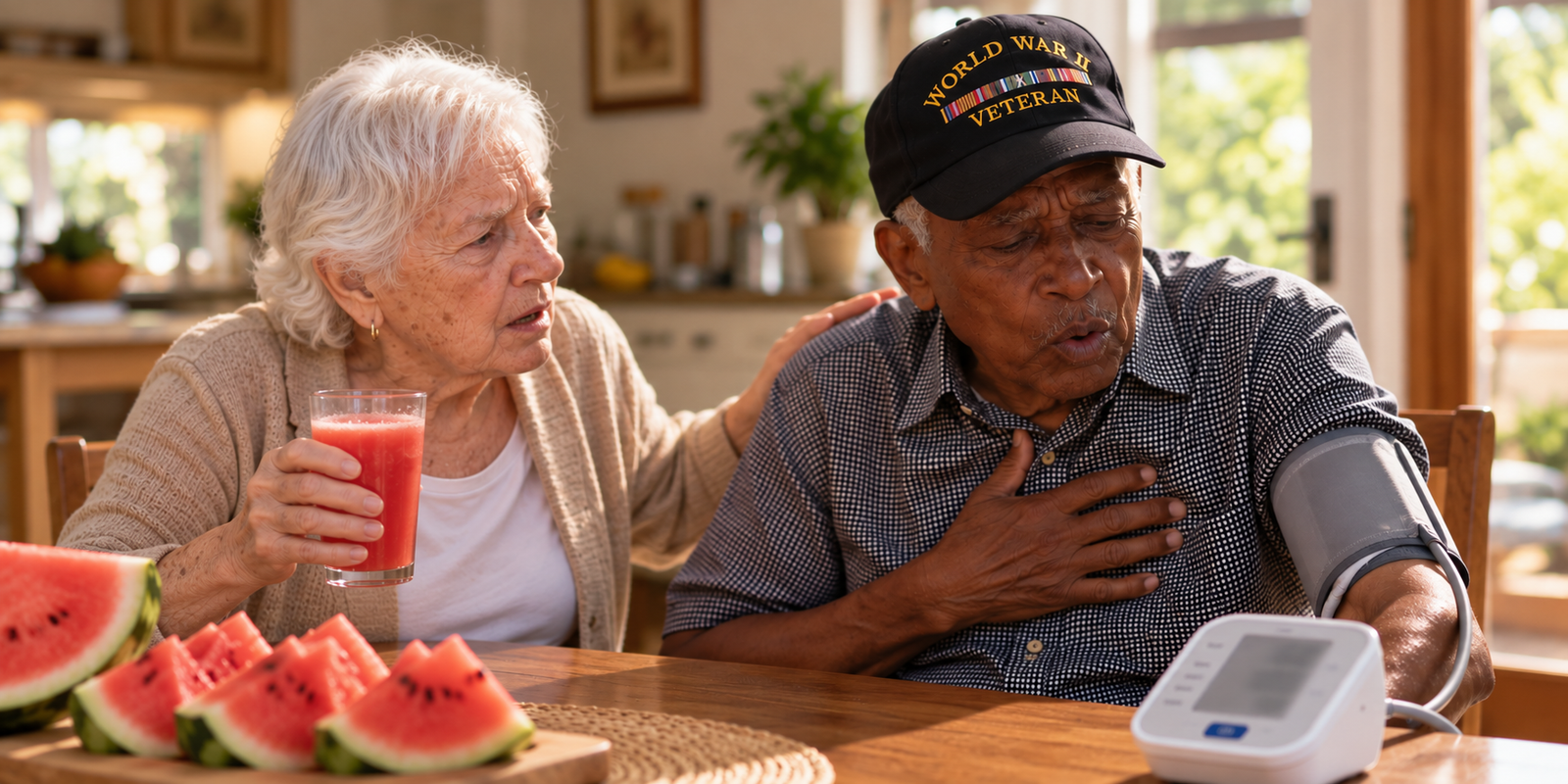
Is Something in Your Kitchen Pushing Your Blood Pressure Up?
Most people think high blood pressure is just something that "comes with age."
But research keeps pointing to the same everyday culprits: things millions of Americans eat, drink and take every single day, often without a second thought.
Some are obvious. Others are sitting in your refrigerator, your pantry and your medicine cabinet right now.
Here's what the research shows.
The Drinks
1. Alcohol, even one drink a day. In a study of 19,548 adults published in the journal Hypertension, as little as 12 grams of alcohol a day (less than one standard drink) was linked to higher systolic blood pressure over about five years. The more people drank, the higher it went.
2. Soda and other sugary drinks. In 810 adults followed for 18 months, cutting back by just one sugary drink a day was linked to lower blood pressure: 1.8 points lower systolic and 1.1 points lower diastolic.
3. Energy drinks. In a study published in the Journal of the American Heart Association, people who drank 32 ounces of an energy drink had higher blood pressure four hours later than people who drank a placebo.
4. Coffee. According to Mayo Clinic, caffeine may cause a brief rise in blood pressure, even in people who don't have high blood pressure. The effect is strongest in people who don't drink it every day.
The Foods
For most foods, the problem is sodium. And it usually isn't coming from the salt shaker. The American Heart Association says Americans get up to 70% of their sodium from processed foods.
In a landmark trial of 412 adults published in the New England Journal of Medicine, lowering sodium on a typical American diet lowered blood pressure step by step.
According to the CDC, these are the biggest sources of sodium in the American diet:
- Bread and rolls, the #1 source, ahead of chips and snacks
- Deli meats and cured meats like ham, turkey slices, salami and bacon (#2)
- Pizza (#3)
- Chicken from the store or restaurant (#4)
- Soups, especially canned (#5)
- Sandwiches and burgers (#6)
- Cheese (#7)
- Pasta dishes like spaghetti with sauce and lasagna (#8)
- Mixed meat dishes like meatloaf (#9)
- Chips, crackers, pretzels and popcorn (#10)
Together, these 10 food groups account for 44% of all the sodium Americans eat.
One surprise: black licorice. Its natural compound, glycyrrhizin, makes the body hold on to sodium and water. Across 18 studies, eating licorice was linked to higher blood pressure.
Sugar matters too. A review of randomized trials in the American Journal of Clinical Nutrition found that diets higher in sugar raised blood pressure compared with lower-sugar diets. That's one more reason to watch sweetened cereals, pastries and desserts.
The Medications and Drugs
This is the one that surprises people the most.
Mayo Clinic and the American Heart Association both list common medications that can raise blood pressure, including some sold over the counter:
- Pain relievers like ibuprofen (Advil, Motrin) and naproxen (Aleve)
- Decongestants like pseudoephedrine and phenylephrine, found in many cold and allergy medicines
- Corticosteroids like prednisone
- Some antidepressants
- Birth control pills
- ADHD stimulants like methylphenidate
- Caffeine pills and certain herbal supplements, including ephedra, ginseng, guarana and licorice root
- Recreational drugs like cocaine and amphetamines
The Summer Fruit Researchers Keep Coming Back To: Watermelon
So far, we've talked about what can push blood pressure up.
But researchers have also been looking at the other side of the plate: simple foods that may help. And one of them is probably sitting in your grocery store right now.
Watermelon.
It's much more than a summer treat. Here's what makes it different:
- It's about 91% water. That makes it one of the most hydrating foods you can eat, with only about 30 calories per 100 grams.
- It's the best natural source of citrulline. Your body uses citrulline to make nitric oxide, a molecule that helps blood vessels relax.
- It's packed with lycopene. According to the U.S. Department of Agriculture, watermelon has on average about 40% more lycopene than raw tomatoes.
- It also gives you potassium, vitamin C and vitamin A, with no added sugar and no sodium to worry about.
And the research is promising.
In a 2019 study published in the journal Nutrients, 33 adults with overweight or obesity ate 2 cups of fresh watermelon every day for 4 weeks. Their systolic blood pressure went down, they lost weight, and they felt fuller after eating it. When the same people ate low-fat cookies with the same number of calories instead, their blood pressure went up.
Researchers at Florida State University have also studied watermelon extract. In a small pilot study, adults aged 51 to 57 with prehypertension took watermelon extract for six weeks, and all nine of them saw lower blood pressure in the aorta, the body's main artery.
In a follow-up study published in the American Journal of Hypertension, 14 middle-aged adults with obesity and elevated blood pressure took watermelon extract for six weeks. Compared with a placebo, their systolic blood pressure was 15.1 points lower and their diastolic pressure 7.6 points lower.
These studies were small, and two of them used a concentrated extract rather than the fresh fruit. But they help explain why so many people are taking a closer look at this simple summer fruit.
Watermelon is a good reminder that what you add to your plate can matter just as much as what you take off it.
So How Do Seniors on This Mediterranean Island Stay So Active Into Their 90s?
Which brings us to a small, sun-drenched island in the Mediterranean.
There, it's not unusual to see people in their 80s and 90s tending their gardens, walking to the village square and sharing long dinners with family.
They don't follow strict diets…
And they don't spend hours at the gym.
But daily life there looks very different from the list above.
Most meals are cooked at home from what grows nearby: vegetables, beans, fresh herbs and plenty of olive oil. Very little comes out of a package.
In the summer, a few slices of cold watermelon are a common way to cool off on a hot afternoon.
They walk almost everywhere: up and down the hills, to the market, to visit their neighbors.
They stay close to family and friends. Almost nobody eats alone.
And many of them end the day the same way: with a warm cup of tea made from herbs picked on the hillsides around their homes.
It's a small ritual, but for the islanders it's a moment to slow down after the day. Grandparents teach it to their grandchildren, and it has quietly become part of the island's way of life.
Now, more and more people around the world are curious about this simple evening tradition and how it could fit into their own routine.
In the video below, you'll see how this Mediterranean tradition is prepared, step by step, and why so many people are adding it to their evenings.
It's simple.
And it only takes a few minutes to prepare.